CPBL at ICPR2026 - International Congress of Photosynthesis
Published at Sep 7, 2026
Author: Nguyen Quang Huy
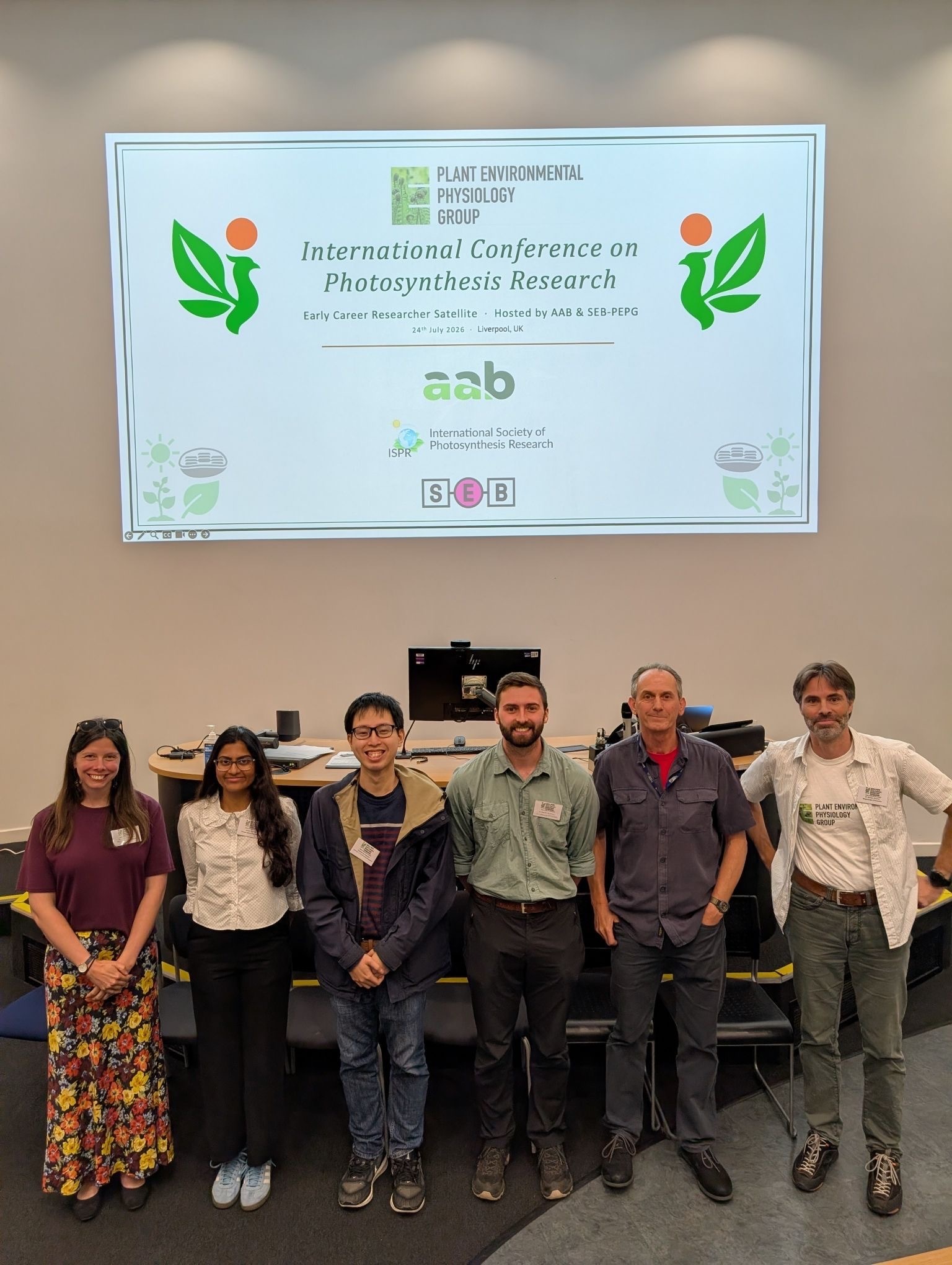
From July 24 to August 2, the International Congress of Photosynthesis Research took place in Liverpool, UK (ICPR2026), marking the biggest event of the global photosynthesis research community that happens every 4 years. CPBL had an active partipatation within ICPR, with 2 posters and 2 talks at the main event, and 1 talk at the satelite meeting for the early career researchers (ECR). We had a good time in Liverpool, making new connections and celebrating the latest scientific breakthroughs in the field of photosynthesis.
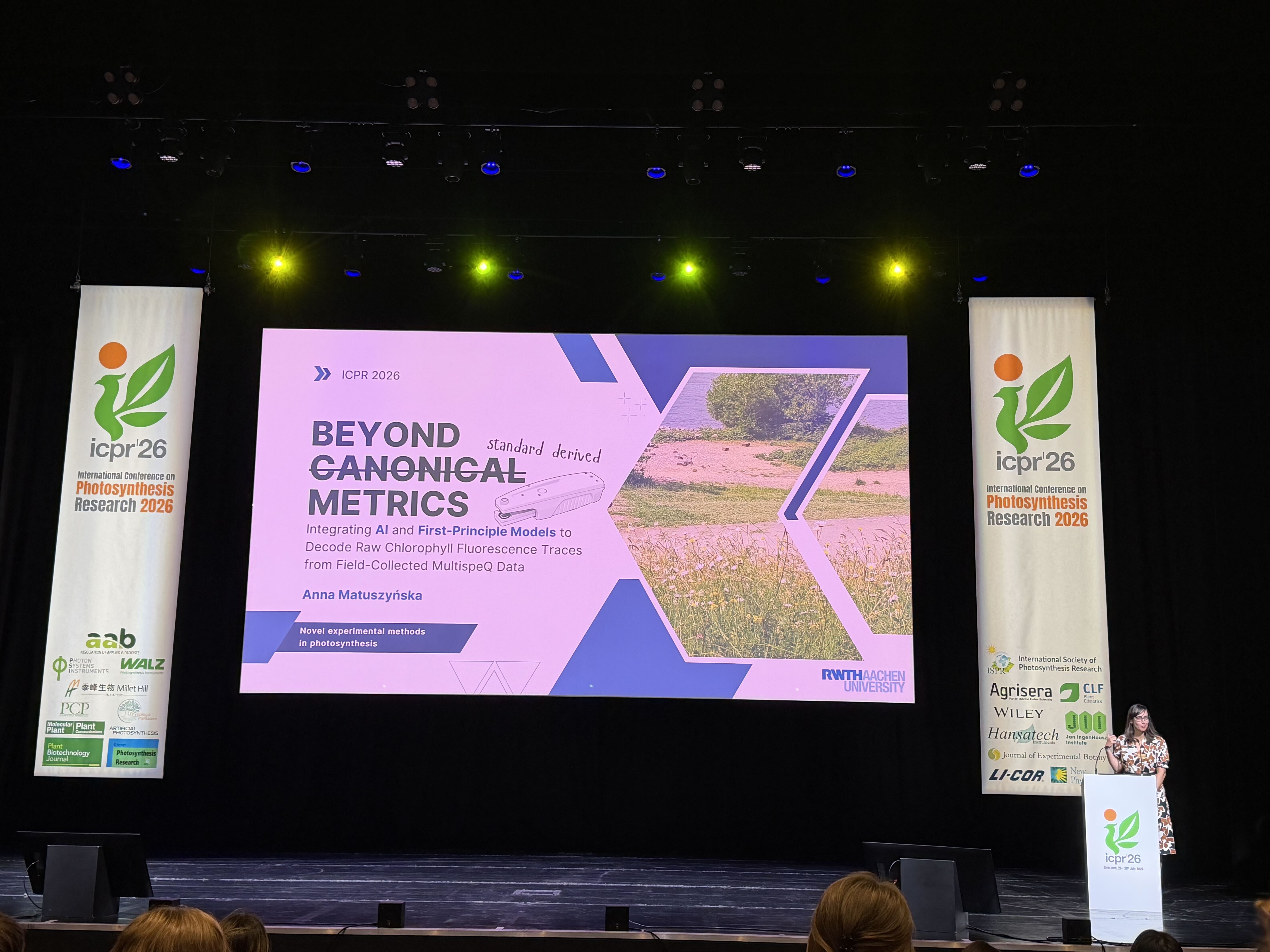
Prof. Anna Matuszyńska, the head of CPBL, presented our most recent effort in systematic assessment of existing photosyntheic models, and the problem of unidentifiability related to model fitting. Her talk, titled “Beyond canonical metrics: Integrating AI and first-principle models to decode raw chlorophyll fluorescence traces from field-collected MultispeQ data”, contributed to the growing discussion of machine-learning/AI tools application in photosynthesis research.
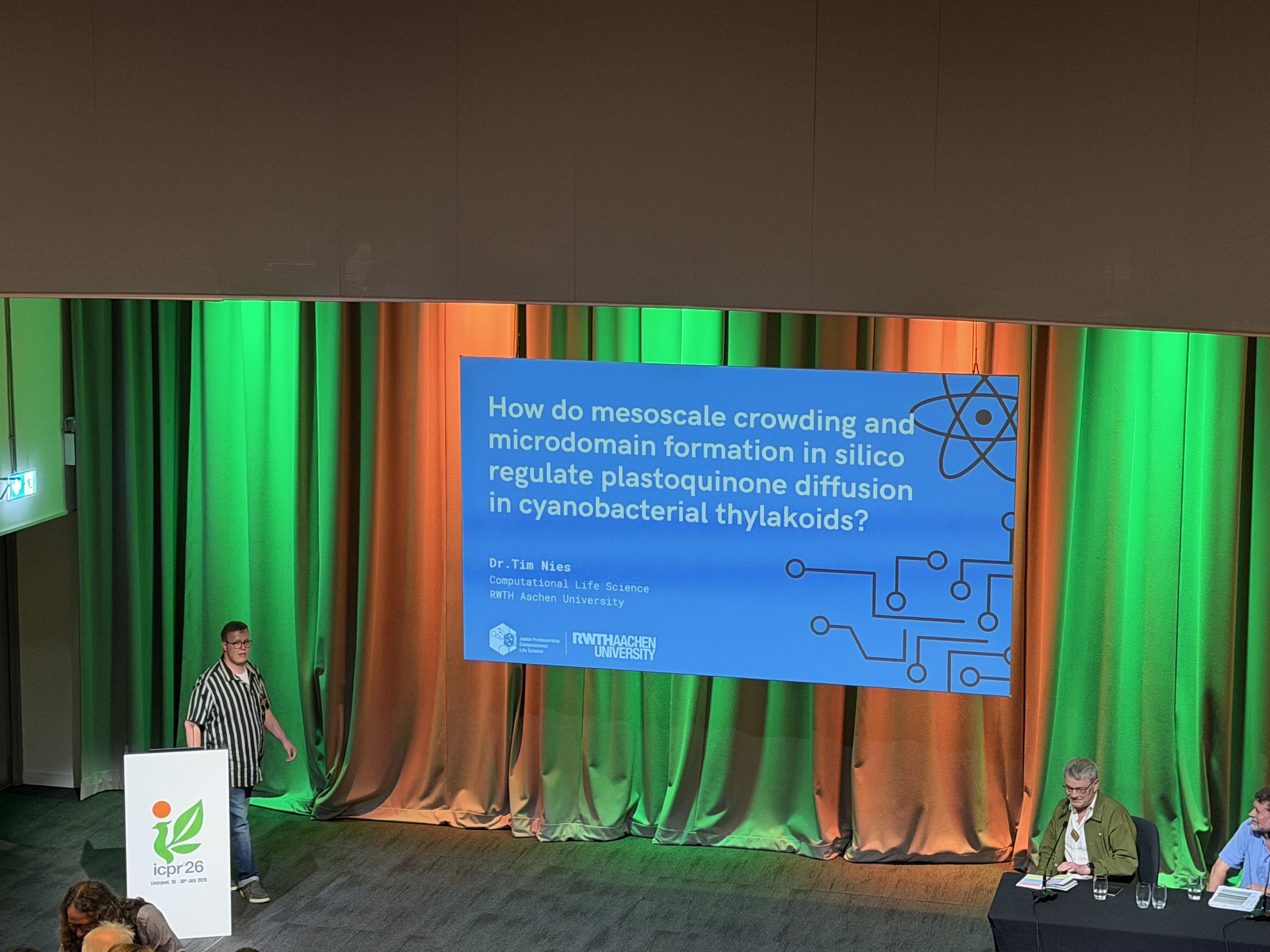
Dr. Tim Nies, our postdoctoral researcher, gave a talk titled “How do mesoscale crowding and microdomain formation in silico regulate plastoquinone diffusion in cyanobacterial thylakoids?“. He discussed his current work regarding 2D simulation of thylakoid membrane in cyanobacteria, and the derived kinetics and distributions of the photosynthetic electrons transport chain (PETC) components simulated within this framework.
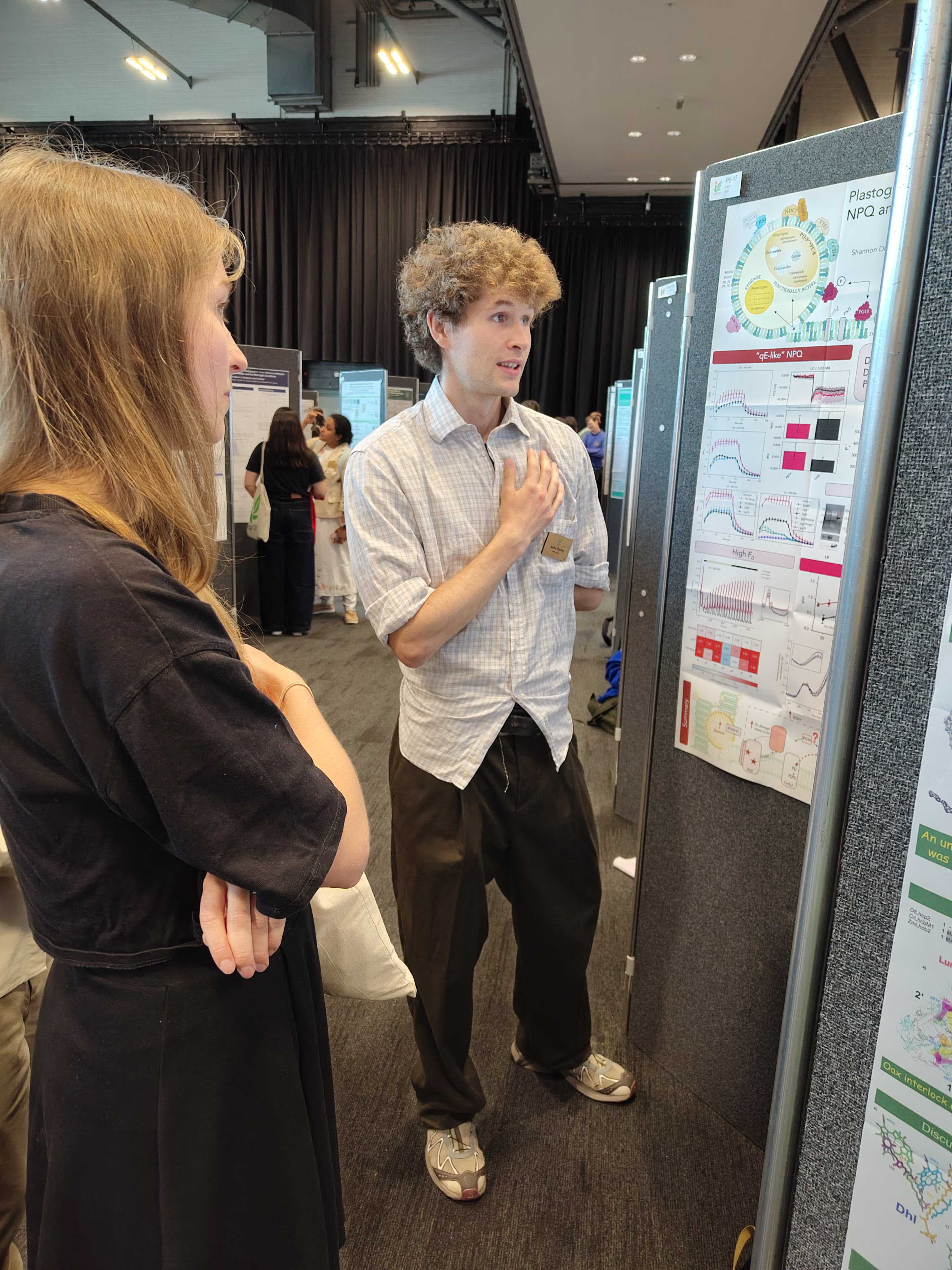
During the conference, the posters from our PhD students, Nguyen Quang Huy and Josha Ebeling, have attracted attentions and led to thoughful discussions regarding the mathematical models of photosynthesis they are working on, with Josha’s project on an updated model for the chloroplast proton motive force in higher plants, and Huy’s on cross-species non-photochemical quenching (NPQ) models in the crop plant tomato (Solanum lycopersicum) and the model plant Arabidopsis thaliana. Huy also presented his work at the PEPG ECR satelite meeting, where he got awarded the best talk prize by the Association of Applied Biologists (AAB).